

What to Check Before Calling for Urgent HVAC Service? A Homeowner’s Checklist
The moment your central air conditioning unit sputters, or your furnace refuses to kick on during a critical temperature swing, that sinking feeling is immediate. It feels like an emergency-a failure of basic modern comfort. When the heat rises or the cold bites, our instinct is to call for help immediately, often with mounting panic and worry about the cost.
We proudly serve our Tahoe Keys, CA service area and the surrounding area.
But before you pick up the phone and start worrying about a hefty service bill, take a deep breath. Most common HVAC issues are not catastrophic failures; they are simple operational hiccups caused by routine neglect or minor environmental changes. We understand that when your comfort is at stake, every minute counts. That’s why we put together this comprehensive guide on what to check before calling for urgent HVAC service? By performing a few basic checks yourself-the kind of things even the best technicians forget to tell you-you can often solve the problem in minutes, save time, and keep your energy bill where it belongs: lower. We’re here to empower you with knowledge, not just sell you equipment.
When Your HVAC System Acts Up: A Quick Checklist Before You Call
The first step in troubleshooting is always safety, followed by checking the easiest, most overlooked components. These checks require no tools and can save you from unnecessary worry (and expense).
The immediate safety checks
Before anything else, safety comes first. If your unit is making loud noises or smells of burning plastic, do not touch it. Pulling a breaker or opening panels while the system is running poses an electrical danger. Check if the unit is tripping a circuit breaker in your main panel. If the breaker trips immediately upon being switched on, there is likely an immediate electrical fault that requires professional inspection before you even troubleshoot further. Similarly, look for any obvious signs of sparking or exposed wiring near the unit-these are clear signals to call us and keep distance.
Checking the simplest components
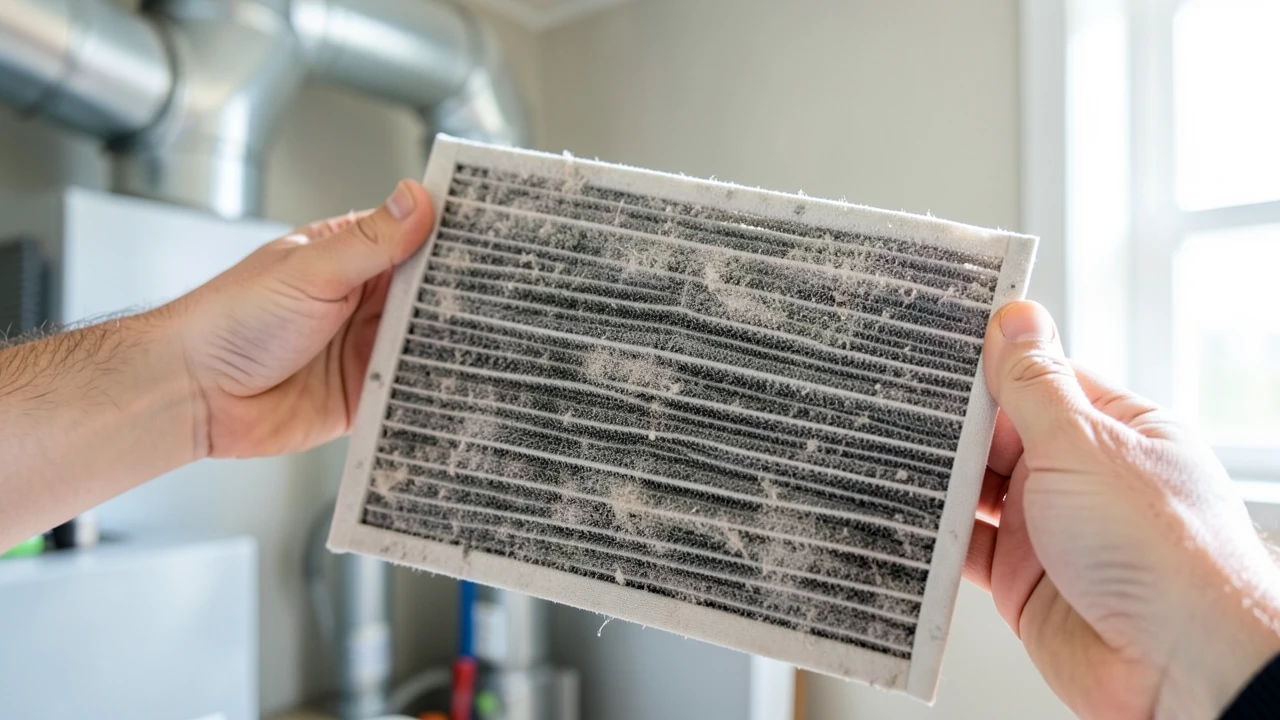
The absolute most common culprit for poor performance, low airflow, and general system sluggishness is a filthy filter. This is often solved with zero cost (if you simply change it) and can dramatically improve your system's efficiency. Filters act as the lungs of your HVAC system; if they are clogged with dust, pollen, or pet dander, the unit must strain much harder to pull air through, leading to reduced cooling capacity and increased energy usage. Always check your filter first!
Verifying power flow
A simple setting change can mimic a serious repair issue. Check your thermostat settings. Is it accidentally set to "Off," "Eco," or perhaps simply requesting the wrong temperature differential? Furthermore, if you are using batteries in your smart thermostat, remember that low or dead batteries are notorious for causing erratic behavior, making the system appear broken when it’s merely running on fumes.
The physical inspection
Take a walk around your outdoor condenser unit and look for visible signs of damage. Are there obvious leaks of water (which could indicate a serious refrigerant issue) or strange objects blocking airflow? Also, listen closely to the sounds coming from the indoor unit. A healthy system should hum steadily; grinding, screeching, or loud banging noises often point to a failing motor component that requires specialized attention.
Beyond Just Cold Air: Assessing Your Home’s True Air Health
We need to change our perspective when we think about HVAC performance. For years, many people measured "good" air by BTUs-just how much cold air was moving. But as I've spent the last two decades working with residential systems across the Tahoe region, I've learned that the best HVAC performance isn't measured by BTU ratings, but by the consistent quality of air that reaches your lungs. This is about Indoor Air Quality (IAQ).
The Indoor Air Quality (IAQ) angle
If you notice musty smells, unusual odors (like mildew or stale smoke), or if the climate feels "heavy" even when the temperature is perfect, your issue might not be a cooling failure; it could be an IAQ problem. This odor suggests trapped moisture or mold growth somewhere in your ductwork or attic space. Addressing filtration and moisture control often has a bigger impact on comfort than simply increasing the unit's capacity.
Identifying potential leaks and drafts
Ductwork is like the circulatory system of your house, moving conditioned air everywhere. If that system has gaps-whether around joints, connections to plumbing, or where ducts pass through an exterior wall-it’s bleeding energy into the unconditioned space. These leaky ductwork connections are a massive energy drain. Check visible areas in places like Heavenly Valley homes where duct runs traverse different structural elements; even small tears can undermine your entire system's efficiency.
Understanding humidity control
Air temperature and relative humidity are two separate concepts, but they combine to create comfort (or discomfort). If the cooling system is running hard but you still feel clammy or overheated, the ambient humidity may be too high. A standard AC unit cools air, but it doesn't always dehumidify enough. This might signal that your home needs a dedicated dehumidification system assistance to truly stabilize comfort and protect materials like wood floors.
The pollen/allergy connection
If you suspect chronic poor air quality-especially with seasonal changes in places like Tahoe Keys or Cedar Flat-you might be dealing with an IAQ problem, not just a cooling failure. Airborne allergens, dust mites, and excessive outdoor particulate matter can overwhelm standard filters. Addressing this requires filtration upgrades (like high-MERV rated filters) and proper sealing to keep out the outside contaminants while you live in your home.
Three Signs It's Time to Call the Professionals (And Why Self-Diagnosis Stops Here)
While performing a basic air conditioner repair checklist is empowering, there are specific signs that indicate the problem lies deep within the mechanics or thermodynamics of your system-issues that require specialized tools and expertise. Knowing these boundaries prevents unnecessary DIY attempts and ensures you get accurate help when you need it most.
System performance degradation
This is perhaps the clearest sign: Is your AC unit running constantly, humming loudly, but failing to cool rooms consistently? This points toward a systemic failure that cannot be fixed by simply changing a filter or resetting a thermostat. The prime suspects here are often a refrigerant leak, a capacitor failure (which requires electrical testing), or an overworked compressor motor. These issues require specialized diagnostic tools and licensed HVAC technicians.
High utility bill warning signs
If you notice an abnormally high energy bill, especially during moderate weather when usage hasn't increased, the issue is likely systemic inefficiency rather than temporary breakdown. The system might be working overtime to overcome significant air leaks, or perhaps the equipment itself has degraded efficiency over time. This signals a need for a professional HVAC efficiency inspection to pinpoint exactly where that energy is escaping or being wasted.
Recurring failures and age concerns
If your unit is nearing its 15-20 year lifespan-or if it's had major breakdowns every few seasons, regardless of maintenance-it’s time to have a serious conversation about replacement vs. repair costs. Sometimes, the cost of repeatedly patching an aging system becomes financially irresponsible compared to investing in reliable modern equipment designed for today's energy standards and IAQ needs.
"I remember talking to a homeowner who spent thousands on repeated repairs because they kept ignoring small signs of inefficiency-the leaky ductwork, the minor electrical issue. It was like putting bandaids on a major structural crack. Sometimes, the best repair is realizing you need a whole new system foundation."
– Ethan Miller
Specific symptom recognition
If your thermostat displays specific error codes (e.g., E101 or F5), those codes are not random; they are diagnostic reports telling us exactly what failure point the unit has detected-whether it’s an electrical issue, a pressure drop, or a compressor fault. Knowing these specific symptom recognition details helps our technicians narrow down whether this is a simple maintenance need or a deep mechanical problem from the moment we arrive at your property near Silver State College campus.
Investing in Reliability: Moving from Crisis Repair to Comfort Planning
We understand that when you finally call for help, the cost can feel alarming. It’s natural to be skeptical and ask, "Is this necessary? Can't I just patch the current system?" We want to address that upfront. Our goal is never just to sell equipment; it’s to bring reliable comfort back into your home through informed planning.
We always start with a clear assessment-a detailed diagnostic process-making sure you know why something is broken and what options exist before we give an estimate. This transparency is non-negotiable for us.
The difference between patching and upgrading
Some problems, like clearing accumulated debris from the main ductwork or addressing a minor electrical fault, are genuine fixes (patching). However, major efficiency gaps-such as outdated components that cannot meet modern SEER requirements, or significant air leakage detected in your home's envelope-require an upgrade. Ignoring these fundamental inefficiencies means continually running a system that is fighting a losing battle against the building itself.
Optimal system sizing for your life
A house built 20 years ago might have been perfectly sized for a two-person family with different lifestyle habits than today’s multi-generational, work-from-home household. The original HVAC unit might be undersized for modern needs. We ensure the new system doesn't just meet yesterday's comfort level; we size it to handle your actual usage patterns, ensuring stable performance whether you have a full house or are utilizing multiple zones of the home.
Proactive maintenance as insurance
The single greatest investment in your home’s comfort is proactive care. Scheduling annual tune-ups in your area-whether that's Downtown, Kings Beach, or Heavenly Valley-is the best way to prevent an emergency AC repair call entirely and maximize every component's lifespan. It allows us to catch minor issues (like a slow refrigerant leak or dust buildup) when they are cheap and easy to fix, long before they become expensive emergencies.
Restoring Year-Round Comfort: What Happens After a Diagnosis?
If you’ve checked the filters, reset the breaker, and determined that the problem is deeper than simple maintenance, calling us ensures you receive expert care right away. Our process goes far beyond simply looking at the coils. It's a comprehensive assessment of your entire climate control ecosystem.
The expert assessment process
When we arrive, our visit involves thoroughly assessing not only the main components (coils, compressors) but also the structural integrity of the ductwork and the overall airflow dynamics throughout your property. We look for pressure imbalances-the signs that air is escaping or being improperly directed, which dramatically impacts how cool you feel in one corner versus another.
Understanding your options (Repair vs. Replacement)
We walk you through clear choices based on our findings. Is it a targeted repair needed only because of a failing capacitor? Or is the entire unit too old and inefficient to justify continued spending? We provide data-driven recommendations, allowing you to choose between a cost-effective fix for a minor issue or a full replacement with higher SEER-rated equipment designed for long-term energy savings.
Focusing on whole-home solutions
Because we specialize in Indoor Air Quality Services, our focus never stops at the cooling unit. We will assess filtration needs, humidity control requirements, and air sealing opportunities alongside the main system. A truly comfortable home isn't just cool; it is breathable. This holistic approach ensures that you are getting maximum value for your investment-reliable comfort from top to bottom.
The local advantage
When you need reliable AC repair or furnace service near Silver State College campus, knowing who knows the unique challenges of Tahoe weather is paramount. We aren't a general contractor; we are specialized HVAC experts rooted in this community. Our team understands how extreme seasonal shifts-from deep freeze to intense heat-demand robust systems that can perform year-round, providing peace of mind unlike any outside company.
If you’ve checked the basics and determined your system needs professional attention, don't delay comfort until an emergency hits. Call Smart Hvac Solution at +1 775-490-8107. We are equipped with the local knowledge and specialized tools to ensure your home maintains breathable, reliable comfort, every single day of the year.