
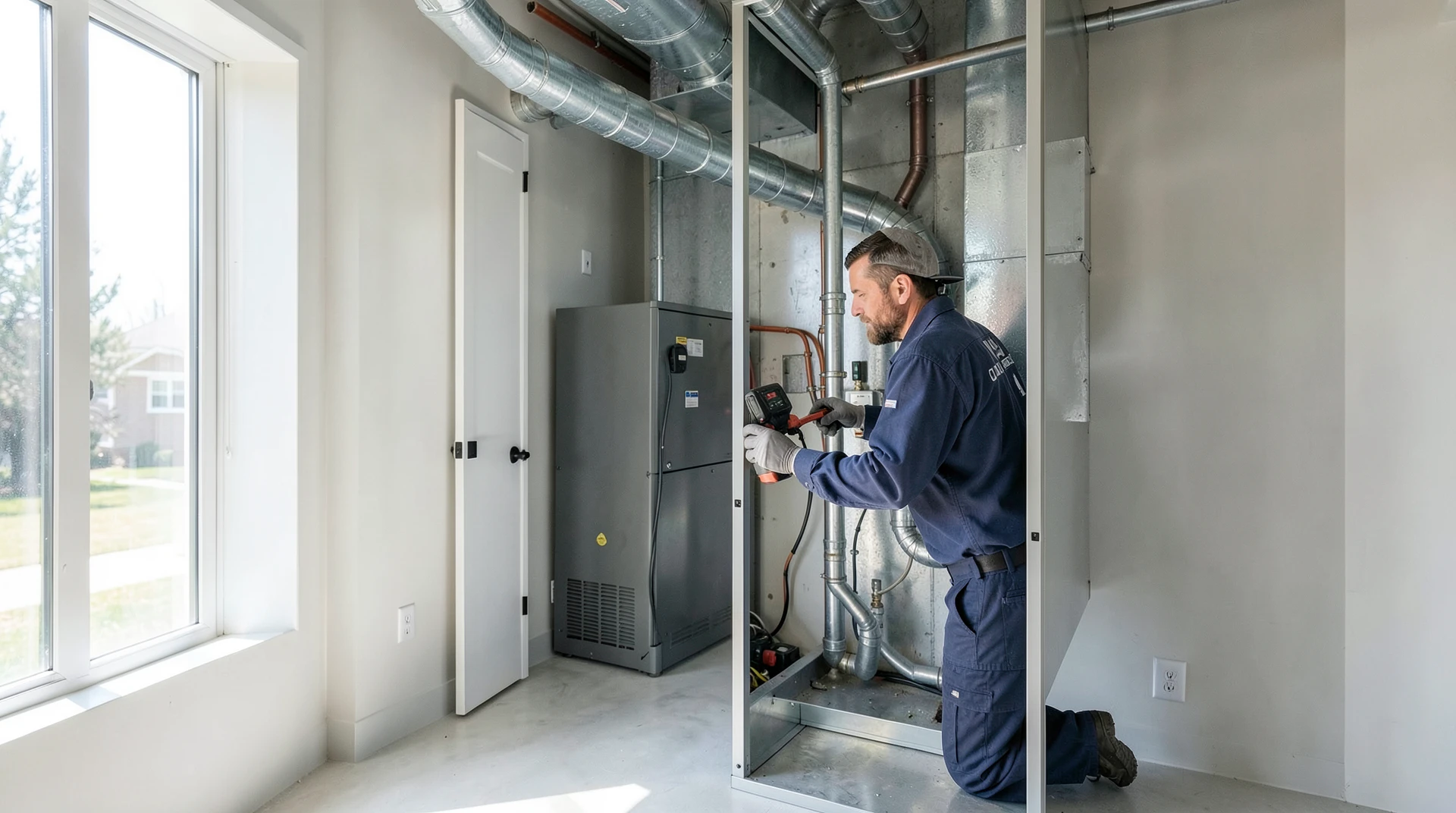
AC Failure Causing Mold Growth Prevention: A Guide to Breathing Cleaner Air in the Nevada Valley
The moment you step into a house that has been struggling with its HVAC system-that subtle, sickly sweet smell of damp decay is unmistakable. It’s more than just a bad odor; it’s an olfactory warning sign that something fundamental is wrong with your home's air quality. When your central AC unit fails, the immediate discomfort from unreliable temperatures is only half the story. The real danger lies in the unseen biological process taking place inside your ducts and vents. Maintaining optimal comfort requires more than just cooling power; it demands robust indoor air quality solutions.
When Your AC Breaks Down: Understanding the Link Between System Failure and Mold
Have you ever experienced the sheer panic of a sudden system breakdown? Imagine waking up on the hottest day in Tahoe, or feeling the chill creep in when the furnace sputters out-the musty smell of failure hits before the temperature even registers. This isn't just inconvenience; it’s a clear indicator that your climate control is compromised, and critically, that your dehumidification process has stalled.
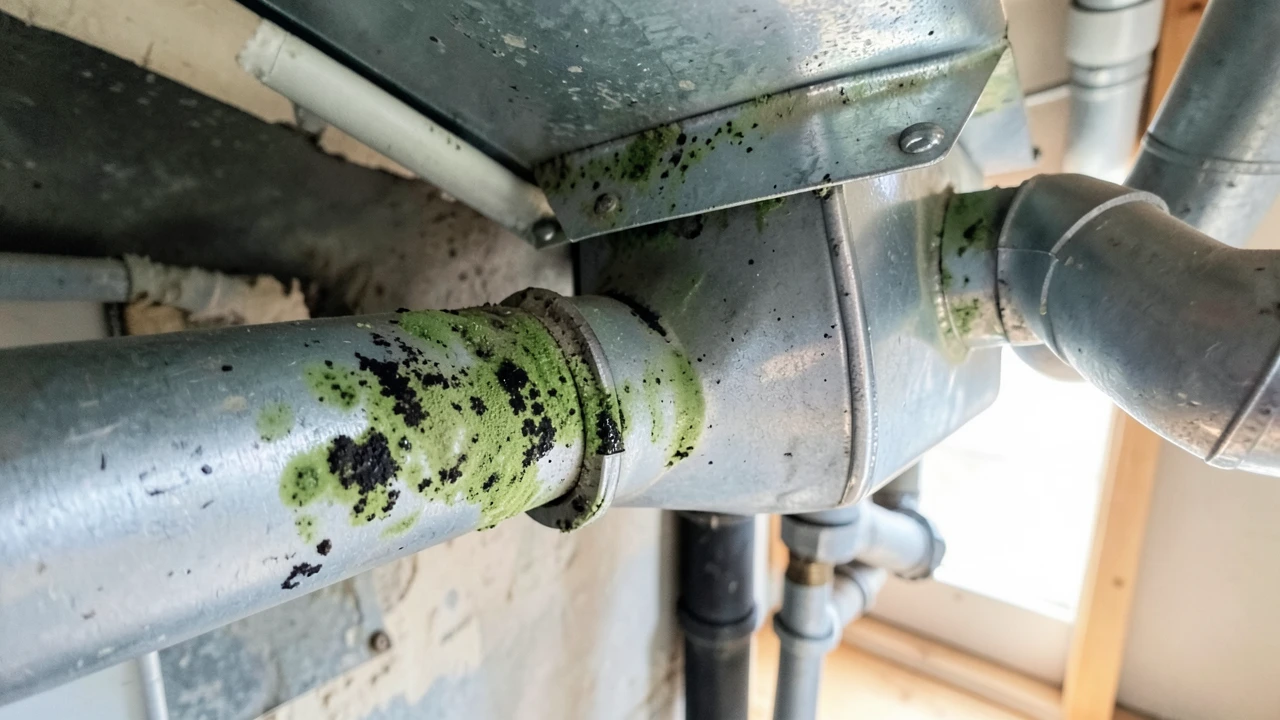
Simply put, mold does not thrive in perfect conditions. It needs three things: moisture, organic material (like dust or building materials), and time. When an HVAC unit stops performing its job correctly-when the cooling cycle fails to properly pull moisture out of the air-the relative humidity skyrockets. This creates a near-perfect microclimate for mold and mildew in your ductwork, condensation pans, and vents. The failure isn't just mechanical; it’s environmental.
We must address the core pain point directly: It is not simply that the AC failed; it is how the conditions created by its failure-high humidity combined with stagnant air flow-create a perfect breeding ground for biological growth. This means mold doesn't wait until you can see it on a visible surface, like grout or wood trim. Instead, microscopic spores are constantly floating in your home’s airflow, impacting everything from seasonal allergies to general respiratory health. These hidden contaminants pose a serious threat that requires expert intervention.
Beyond Cooling: Why Indoor Air Quality (IAQ) Is Your Home’s Most Important System
Many people still think of an HVAC system purely in terms of BTU ratings-how much cooling power it delivers. While reliable cooling is absolutely essential for comfort, Ethan Miller's signature perspective has taught me something crucial over my years working on residential systems: HVAC performance isn't measured by cooling power, but by the consistent quality of air that reaches your lungs.
We need to shift our focus immediately to Indoor Air Quality (IAQ). For the homeowner, IAQ is about much more than just keeping cool; it’s a whole-home wellness investment. It means actively filtering out pollutants, consistently managing humidity levels regardless of the season, and proactively keeping mold spores at bay. A high-performing system should act like an air purifier and a moisture regulator rolled into one.
Consider the cost of inaction. Poor IAQ leads to more than just seasonal sniffles; it can impact your deep sleep quality, reduce overall energy efficiency because your body works harder to breathe polluted or overly dry air, and diminishes family comfort year-round. When you are struggling with stale air, every other convenience feels less valuable.
We understand that many homeowners feel skeptical-“I don’t want a huge sales pitch; I just need an estimate.” And frankly, we shouldn't sell you a piece of equipment. Our goal is to solve your measurable air quality problem and provide reliable comfort while ensuring maximum energy savings. We aim for peace of mind that can be seen in a stabilized utility bill and felt when you take a deep breath inside your home.
The Prevention Checklist: Steps to Stop Mold Before Calling a Pro
Before calling an HVAC professional, there are several immediate, actionable steps you can take-the "low-hanging fruit"-to drastically improve your air quality and curb mold growth. These simple measures show a proactive approach to maintaining a healthy environment in your home, whether you live in Kings Beach or Tahoe Vista.
First, the easiest habit change: Change HVAC filters regularly. I know this sounds basic, but it’s vital. Filters don't just trap visible dust; they capture debris that acts as organic food for mold spores. A dirty filter is essentially a damp sponge feeding biological growth right into your system.
Second, focus on general ventilation improvements around the house. Use exhaust fans in bathrooms and kitchens every time you generate steam or moisture. When weather permits, opening windows judiciously can help with necessary air exchange during mild periods, preventing pockets of stagnant, humid air from building up near the floorboards.
Third, master manual humidity management: Using standalone dehumidifiers is absolutely critical-especially when your central AC is off or running inefficiently during shoulder seasons. Keeping moisture levels between 30% and 50% RH year-round is the golden rule for our full range of services and mold prevention.
Finally, take a walk-through with fresh eyes and address basic home sealing. Many common mold issues start not in the ductwork itself, but from simple drafts or unsealed penetrations where plumbing or wiring enters your structure. These tiny leaks allow exterior moisture to infiltrate the system, making thorough inspection paramount.
Upgrading for Resilience: How Modern HVAC Systems Prevent Mold Growth
While these preventative tips are invaluable, sometimes the issue is systemic-the house itself needs an upgrade to handle modern humidity demands and extreme regional weather volatility. This is where professional reliability comes into play.
The first major step in resilience involves understanding advanced filtration. When selecting or upgrading your system, discuss MERV ratings with us. Modern systems can be paired with high-grade filters designed specifically to trap not only dust but also mold spores and allergens before they circulate through your living space.
Next, we must address whole-system sealing and duct repair. Leaky ducts are major culprits for two related problems: huge energy loss and massive moisture buildup. If the ductwork runs through an unconditioned attic or crawlspace in your Heavenly Valley home, any small leak allows humid exterior air to enter, promoting mold growth deep within the walls and system components-a problem that simple cleaning cannot fix.
Finally, smart technology is changing the game from reactive repair to proactive wellness. Smart thermostats aren't just convenience gadgets; they optimize run times based on real-time weather data, maintaining stable humidity levels. They prevent those damaging cycles of extreme dampness followed by extreme dryness, which are prime conditions for mold proliferation. This level of climate control is essential for achieving true AC failure causing mold growth prevention.
When Nothing Works: Recognizing the Need for Expert AC Repair and Installation
It’s time to bring it back to the necessary deep dive: Understanding the risks associated with AC failure causing mold growth prevention requires knowing when simple homeowner fixes aren't enough. If you are dealing with persistent musty odors that linger even after changing filters, or if you notice visible condensation buildup on internal components in your basement, a professional assessment is required immediately.
It’s crucial to understand the difference between a basic repair and a full system upgrade. Sometimes, the root of the mold issue isn’t a blown capacitor; it’s an outdated system design-perhaps one with poor zoning or inadequate moisture removal capacity-that simply cannot manage modern humidity demands in a complex home structure.
I recall working on a beautiful single-family residence deep into Cedar Flat. The previous owner had been experiencing intermittent musty smells for years, believing it was just 'bad air.' After running the system diagnostics and reviewing the ductwork, we found that while the motor components were fine (a basic repair), the entire zoning strategy needed overhauling to properly handle moisture separation across different wings of the house-an actual system upgrade to achieve true mold prevention.
We understand local expertise matters deeply here in the greater NV Valley area. We know the unique weather volatility, from extreme heat waves hitting Downtown NV properties to deep, sudden cold fronts impacting Tahoe Keys homes. Our goal is always to build systems for maximum resilience that account for these regional challenges.
The Next Step Toward Breathe Easier Living
At its heart, managing your home’s climate isn't about the expense of cooling; it's about integrated comfort and breathable air quality-it’s about peace of mind. You deserve a home where the temperature is stable and the air feels clean.
We want to ensure that our service is never perceived as a sales pitch, but rather as a necessary diagnostic conversation. We are here to help you pinpoint if your issue is mechanical failure, poor duct sealing, or an underlying IAQ deficiency in our service areas. Our focus remains on education first.
To get started without the pressure of a massive repair estimate, we recommend scheduling an upfront Air Quality Assessment. This low-friction consultation allows our team to use professional tools-like humidity meters and spore testers-to diagnose your air problem accurately before any work begins. We serve everything from high-density properties in Downtown NV to sprawling single-family homes across Tahoe Vista and into the quiet comfort of Cedar Flat, ensuring reliable service wherever you live. Call us today at +1 775-490-8107 or schedule a free assessment online to take the first step toward truly breathing easier.