
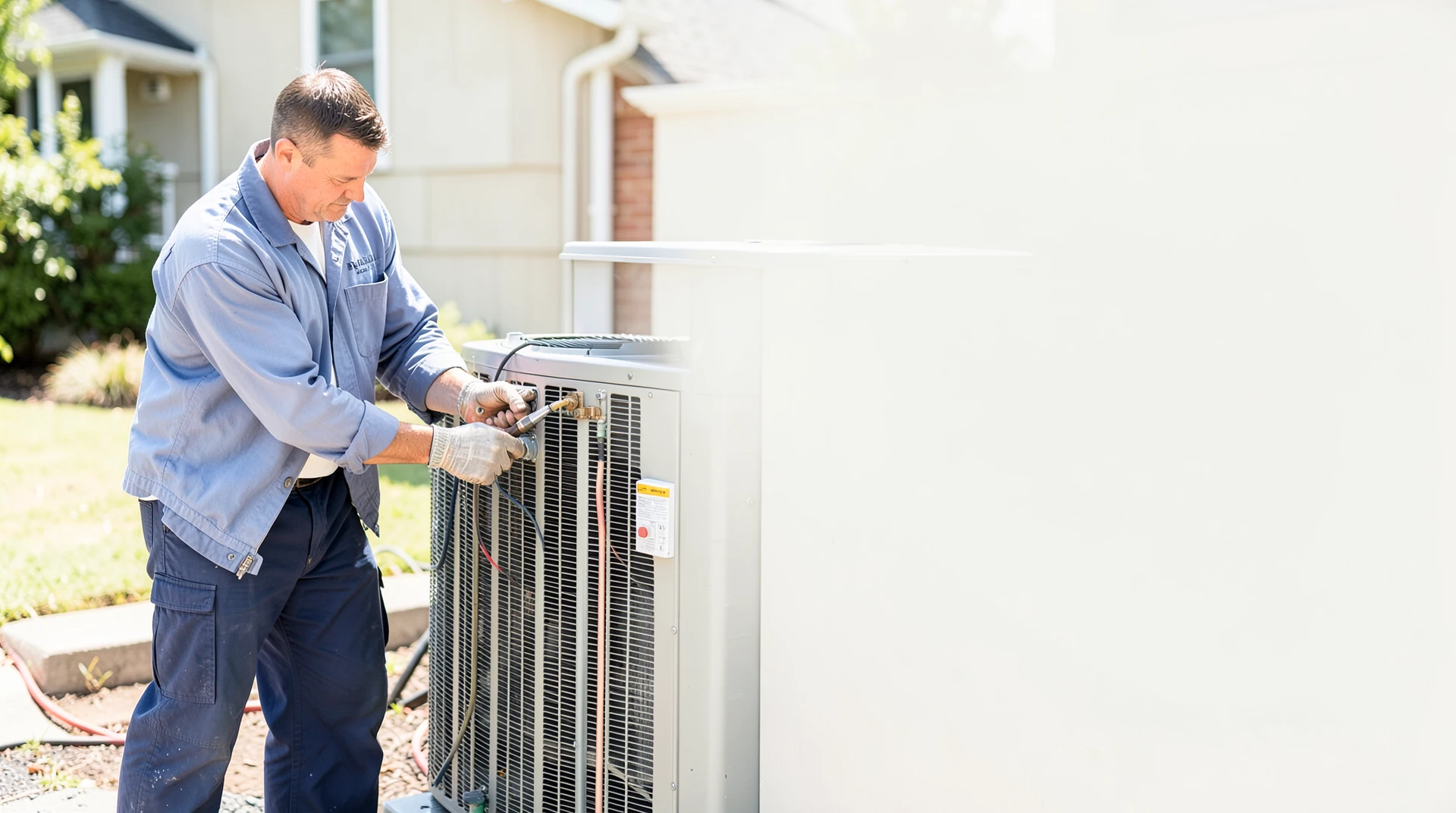
What Are the Causes of Immediate Cooling Failure? Understanding Your HVAC System
When the temperature outside hits triple digits and your air conditioner suddenly just… stops, it can feel like life has paused. The panic is completely natural; cooling isn't just a luxury-it's crucial for comfort and even health, especially in Mountain West climates where weather changes so rapidly. Before you grab a ladder or call a dozen contractors, take a deep breath. Most breakdowns are not catastrophic failures but rather diagnostic puzzles that require skilled hands. While the immediate concern is getting cool air flowing again, I want to shift our focus slightly: we're not just fixing an AC; we’re ensuring breathable, reliable comfort for your whole family. Knowing what are the causes of immediate cooling failure? usually points us toward a specific source-whether it's something simple like a tripped breaker or something more systemic that needs professional attention.
The Mechanical Breakdown: Common Physical Causes of Cooling Failure
When a system suddenly fails, most people immediately jump to assuming the worst-a total compressor meltdown. While catastrophic mechanical failure is possible, often the root cause is much simpler and easier to diagnose. Understanding these common physical culprits helps you communicate better with your HVAC technician and understand what might be costing you time or money.
Electrical Issues: The Overlooked Culprits
The electrical components of an AC system are critical because they provide the power for every single moving part, yet they are often overlooked until a failure occurs. A tripped capacitor is perhaps the most common culprit. Capacitors act like batteries, giving the compressor and fan motor the initial jolt of power they need to start up efficiently. If a capacitor fails or trips due to an electrical surge or wear, your unit will simply refuse to run. Similarly, blown fuses (if your system has them) interrupt the flow of electricity entirely. These are generally quick fixes, but they require precise diagnosis because dealing with high-voltage components is not something to attempt without professional tools and training.
Refrigerant Leaks: More Than Just "Low"
This is one of the most misunderstood topics in HVAC repair. When people hear that their AC is running low on refrigerant, they often assume it's a consumable item-like needing an oil change for a car-that just needs topping up. This is incorrect and potentially very costly. Refrigerant (or coolant) does not get "used up"; if the pressure drops, it means there is a leak somewhere in the sealed system. Think of your AC like a closed loop; if air escapes, you have to plug the hole first before you can refill the fluid. Finding that leak-whether it's microscopic or visible-is the most critical and often hardest part of the job. Once we find and repair the leak (a process that requires specialized tools), then we recharge the system with the correct amount of refrigerant.
Compressor Failure: The Heart Under Strain
The compressor is, by far, the most expensive component in your AC unit. It's essentially the muscle of the system, responsible for pressurizing and circulating the refrigerant. When a compressor fails (often signaled by loud noises, burning smells, or simply zero operation), it usually means it has burned out due to overuse, electrical overload, or running against excessive resistance. While replacement is often necessary, before we jump to that conclusion, a professional will check the motor windings and electrical connections first. Sometimes, what looks like compressor failure is actually a symptom of an underlying issue-like severely restricted airflow-that caused the heart to work too hard.
Condensate Drain Issues: Temporary Shutdowns
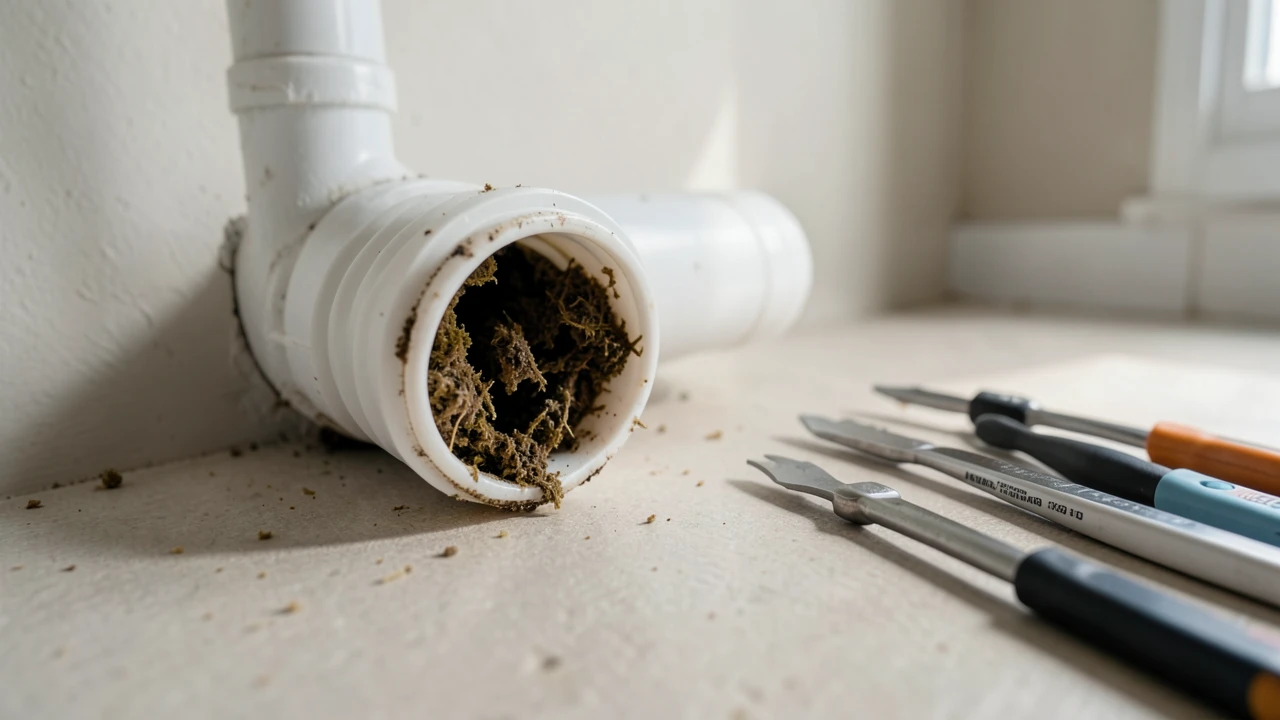
A simpler, yet frequently overlooked cause of immediate cooling failure involves the condensate drain line. As your AC cools the air inside your home, water naturally forms (condensation). This water needs a clear path out via a drain pipe. If that drain is clogged-perhaps with algae, sludge, or debris-the safety switch on the unit will detect excessive water buildup and automatically shut the system down to prevent flooding or damage. It's not a mechanical failure; it’s simply a temporary shutdown caused by a plumbing issue that needs clearing out.
Beyond Components: The Invisible Causes That Sabotage Your AC Performance
Here is where my expertise really comes into play, because often, the component itself isn't broken-the system has failed due to invisible forces. I learned early in my career that what are the causes of immediate cooling failure? can frequently be found outside the main unit itself. My signature perspective is always this: the best HVAC performance isn't measured by BTU ratings, but by the consistent quality of air that reaches your lungs.
Ductwork Leaks and Airflow Restriction
This is arguably the most common energy thief in older homes across Heavenly Valley and Kings Beach. When you have ductwork running through an attic or a crawlspace, those ducts are not airtight. Over time, settling, temperature changes, and age create leaks-gaps where conditioned air simply escapes into the unconditioned space (the attic). It's like trying to hold water in a bucket with holes in it; no matter how hard you push, the cold air leaks out before it ever reaches your living room. Sealing these ducts is often one of the highest-impact improvements we can make for energy efficiency and system reliability, far surpassing the impact of simply replacing an old unit with new equipment.
Dirt and Efficiency Decline
The evaporator (the indoor coil) and condenser (the outdoor coil) are massive heat exchange surfaces. They need to be clean to do their job efficiently. If these coils become coated in dust, pollen, pet hair, or grime, they lose their ability to transfer heat effectively. This buildup creates a significant barrier, forcing the unit to run longer and harder just to achieve the same cool temperature it did when it was pristine. Running an AC with severely dirty coils is like asking your lungs to breathe through a wet scarf-it works, but it’s miserable and inefficient.
Poor Indoor Air Quality (IAQ): The Health Angle
We need to talk about air quality because we are dealing with more than just temperature control; we are managing the breathable environment of your home. Over time, moisture sources can promote mold or mildew growth within the ductwork or cooling coils. Furthermore, dust, accumulated pollen, and pollutants from outdoor sources get drawn into your system. If a system is struggling to maintain optimal air circulation (perhaps due to leaky ducts), these pollutants settle and accumulate, impacting health, triggering allergies, and reducing overall comfort-even if the thermostat reads 72 degrees.
System Overload: Modern Living Demands
Today’s homes are different from those built decades ago. We work from home; we stream high-resolution entertainment constantly; we have more filtration needs due to environmental factors. These lifestyle changes mean that a system originally rated for, say, a family of four, might be struggling to handle the demands of a modern household with increased air filtration requirements or an extra occupant. The system isn't necessarily broken; it is simply being asked to do more than its design capacity intended.
When Maintenance Isn't Enough: Recognizing End-of-Life Status
Sometimes, when we ask what are the causes of immediate cooling failure?, the answer is less about a single component and more about cumulative wear and tear-the system has reached the end of its useful life. This decision should not be made lightly, but it is crucial to understand the signs.
Age and Wear: The Cumulative Effect
HVAC components are designed for decades, but every piece has a lifespan limit. After 15-20 years, even if you replace one component (like the capacitor), you might find that other elements-like the metal piping, the neighborhoods we cover, or electrical wiring insulation-are showing signs of advanced fatigue. The failure isn’t due to one part; it’s due to the system collectively reaching its physical limit.
Inefficiency Penalties: Paying Too Much for Old Tech
An older unit, even if mechanically sound and operating at 80% capacity, will cost you far more in electricity than a brand-new, high-SEER rated model. This is because efficiency ratings have dramatically increased over the last two decades. Running an inefficient machine means your utility bill isn't just paying for cooling; it’s paying a penalty for poor performance that could be avoided with a modern upgrade.
The Impact of Climate Change and Regional Variability
The Tahoe region, in particular, experiences extreme weather swings-from blistering heat to sudden, deep freezes. Your HVAC system needs the resilience to handle these dramatic fluctuations year-round. An older unit may simply lack the modern controls or robust components necessary to adapt reliably to today's increasingly unpredictable climate patterns.
Smart Technology Integration: Optimizing Comfort
When we talk about replacement, it’s not just replacing brute force; it’s optimizing intelligence. Modern systems integrate smart thermostats and zoning capabilities that learn your family’s habits. This allows the system to deliver maximum comfort exactly when you need it (say, early mornings or late evenings) while dialing back during times you are away, saving both energy and wear on components.
Restoring Reliable Comfort: A Holistic Approach to HVAC Health
So, what do you do right now? If your AC suddenly dies in the middle of a hot day in Downtown NV, the immediate action plan is twofold. First, check the circuit breaker-it’s simple, but essential. Second, know when to stop diagnosing and call an expert. Trying to fix complex electrical or mechanical issues yourself can be dangerous and often results in making the problem worse for Smart Hvac Solution’s team of experts.
The most valuable step you can take is booking a comprehensive diagnostic inspection. When we arrive at your home-whether it's near Cedar Flat or across town in Tahoe Vista-we don’t just look at the AC unit. We inspect the electrical panel, check for visible leaks, assess ductwork integrity, and evaluate air quality metrics (IAQ). This holistic approach allows us to diagnose multiple issues simultaneously: Is it a leak? Is it dirt? Or is it an aged motor?
I remember speaking with a homeowner in Montgomery Estates last year whose AC was cycling on and off constantly. He thought the compressor was failing, but after running our diagnostic checks, we found that his primary issue wasn't mechanical; it was severe duct leakage in the attic combined with highly contaminated coils. The initial repair-sealing the ducts and cleaning the coils-immediately stabilized the unit, saving him thousands on what he assumed would be a full replacement.
Trusting local expertise is paramount here. We understand the unique structural challenges of building in this mountainous region. Our goal isn't to sell you equipment; it’s to bring reliable comfort back into your home by ensuring stable temperature and superior air quality year-round. If you are concerned about what are the causes of immediate cooling failure? or if you suspect your system is running inefficiently, don’t wait for the heat wave to hit. Give our team a call at +1 775-490-8107 or visit us at 412 Thompson St, Carson City, NV 89703. We promise an upfront estimate and a straight answer-no surprises guaranteed. AC Repair in Downtown, NV.