
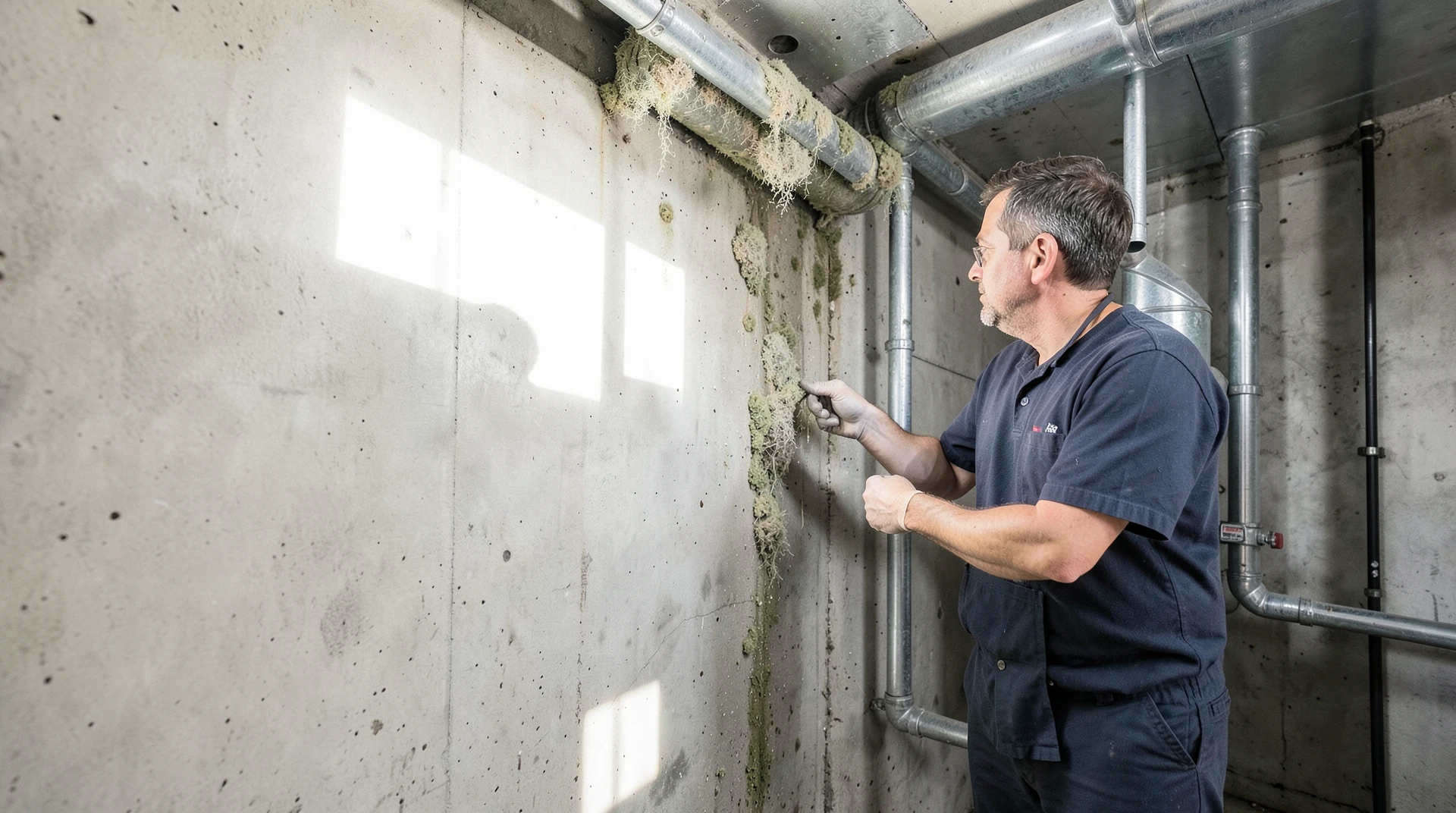
Addressing Mold and Mildew After Old AC System Shutdown: A Guide to Restoring Healthy Air
When the summer heat hits Downtown or across the Heavenly Valley, nothing is more stressful than realizing your central air conditioning system isn't working. If you’ve experienced an old AC unit shutting down-even for a period of time-the immediate concern is usually just comfort. But I want to talk about something far less visible and potentially much more serious: mold and mildew.
I got my start years ago learning that HVAC is so much more than just moving air; it’s about breathable air quality, the single most important element in a healthy home. When systems sit idle or fail, they create unique environmental conditions-a perfect storm for biological growth. Understanding how to properly address mold and mildew after an old AC system shutdown requires not just cleaning, but genuine professional diagnosis. Don't wait until you start coughing constantly; let’s talk about what might be hiding in your walls and ductwork right now.
We proudly serve hvac in Tahoe Keys, CA and the surrounding area.
Why Does Your Home Develop Mold After AC System Shutdown? Understanding the Moisture Trap
Mold isn't necessarily a sign of poor cleanliness; it's usually a symptom of improper moisture management. To understand why your house gets mold when the A/C shuts down, we first need to talk about the simple mechanics of biological growth.
The Three Ingredients for Mold:
Every mold colony needs three things to thrive: an organic food source (like dust, dead pollen, or decaying insulation), a sustained moisture source, and ideal temperature conditions. When your central air conditioning system is running optimally, it's not just cooling; it’s actively dehumidifying the entire house, constantly pulling excess moisture out of the air and venting it away. This constant process keeps the relative humidity (RH) level stable and low-often below that critical 60% threshold where mold spores start to flourish.
The 'Moisture Trap' Effect:
When your cooling system shuts down or is poorly maintained, this natural dehumidification stops. The house, however, continues to generate moisture through normal living activities (breathing, showering, cooking). This excess humidity gets trapped in the structure of your home-in hidden spots that are meant to dry out but can’t:
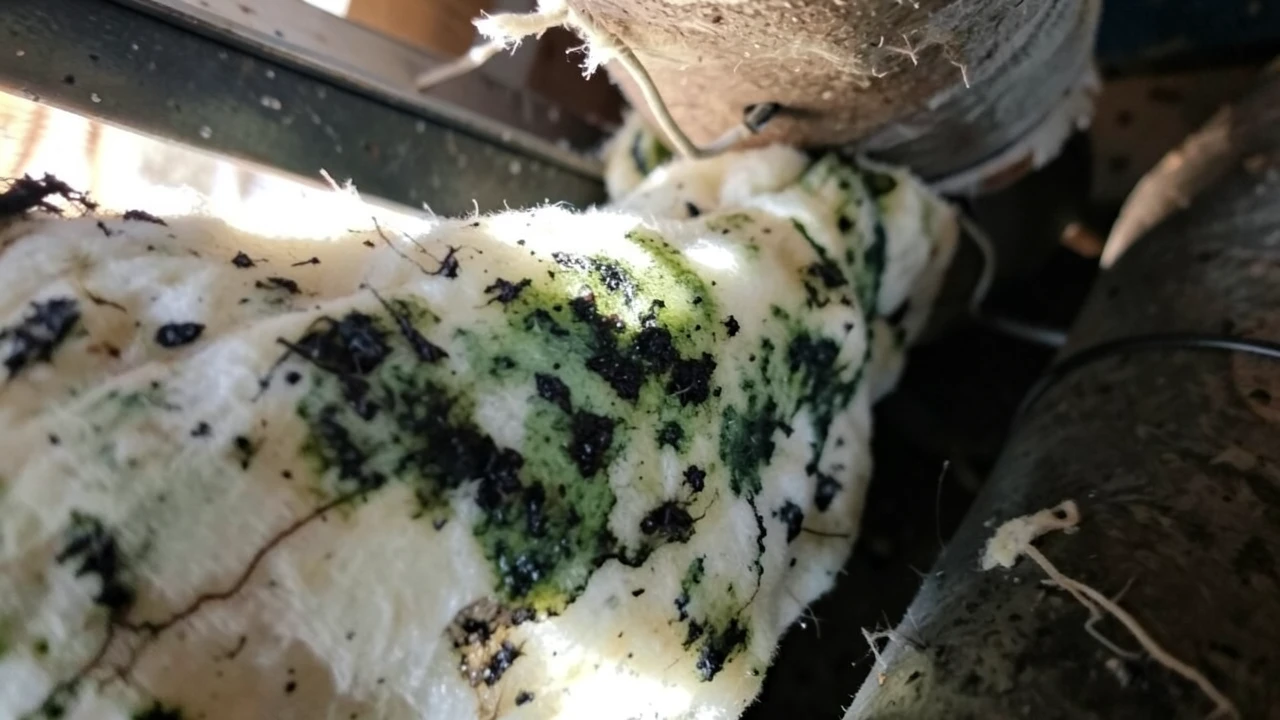
- Condensation Buildup: Old or inefficient coils and drip pans are designed to manage condensation. If they aren't properly flushed or maintained, standing moisture and biological film build up rapidly.
- Ductwork Insulation: The insulation surrounding your ductwork acts like a sponge. When humid air hits cool ducts, the insulation material can absorb and hold excess moisture, creating ideal breeding grounds for mildew that is invisible to the casual eye.
It’s crucial to distinguish between simple cosmetic surface mold-the kind you might see on bathroom grout (which is often manageable with soap)-and root-level structural mold. If the issue has penetrated your ductwork or insulation, it requires professional remediation because simply wiping it away won't solve the underlying moisture problem.
Beyond the Coil: Where Mold Hides in Your Home's Air System
Many homeowners think that if they can’t see it on a surface, it isn't there. This is the biggest mistake we make when dealing with mold contamination. I've seen beautiful homes across Kings Beach and Heavenly Valley where the visible mold was only the tip of a much larger, invisible problem.
Common Hidden Contamination Zones:
The most common culprits are often overlooked during standard inspections:
- Condensation Drip Pans: These pans are designed to catch water from the evaporator coil. If they overflow or if the drainage line clogs (with debris and mold slime), standing, stagnant water becomes a perfect reservoir for mildew.
- Poorly Sealed Duct Joints: Every joint where metal duct meets insulation is a potential entry point for moisture. Over time, minor leaks can allow high humidity to enter the ductwork structure itself.
- Attic and Crawlspace Insulation: These areas are often prone to structural leaks or poor ventilation. If they accumulate moist materials (like wet cardboard or deteriorated wood), mold spores thrive in the protective pockets of insulation material.
Mold spores don't just stick; they become airborne. A subtle air current, a slight draft from an opened window, or even simply the operation of your furnace can lift microscopic fungal particles and distribute them throughout your home’s ventilation system. This secondary contamination is why professional intervention is so vital.
The Health Picture (It’s Never Just About the Smell):
When people call us out because they smell a musty odor, they are often right to be concerned, but the health implications go deeper than just that initial whiff of damp earth. Persistent symptoms-like recurring sinus irritation, chronic coughing, or allergies that seem worse indoors than outdoors-can signal serious Indoor Air Quality (IAQ) issues stemming from mold exposure.
As a tradesperson who has spent two decades tracking down moisture sources, I’ve learned this: Your body is highly sensitive to the quality of air it breathes. Don't rely on a simple visual inspection; we need diagnostic tools like moisture meters and sometimes specialized air sampling kits to map the true extent of contamination.
The Three-Step Process for Addressing Mold and Mildew After Old AC System Shutdown
This is not a "DIY weekend project." Attempting to clean mold without addressing the source of the moisture can be costly, stressful, and ineffective, leading to immediate recurrence. When you are dealing with serious contamination related to an old AC system shutdown, we follow a rigorous three-step remediation process:
1. Initial Professional Diagnosis
The first step is always assessment. We need to determine if this issue is localized (e.g., just one clogged drain pan) or systemic (meaning the entire HVAC circuit and surrounding structures are compromised). This detailed inspection involves checking pressure readings, moisture levels in materials, and visual inspections of all hidden components-the crawlspace, attic air handlers, and the main unit itself. We establish a baseline for contamination so you know exactly what we are fighting against.
2. Deep Remediation and Drying
Remediation is far more intensive than simply spraying fungicide on visible surfaces. The goal is physical removal and drying. This involves:
- Extraction: Removing all contaminated materials, including affected duct insulation, saturated filters, and mildew-filled drains. These items are disposed of professionally to prevent re-release of spores.
- Decontamination Cleaning: Using specialized, EPA-approved biocides designed for HVAC systems-not just household cleaners-to neutralize the root cause of the mold growth on all structural metalwork and plastic components.
- Critical Drying: This is perhaps the most overlooked step. After cleaning, we must use industrial dehumidifiers and air movers to pull every last molecule of excess moisture out of the system components and surrounding structure. If we skip this drying phase, the mold will simply grow back within days.
3. Sealing and Filtration Overhaul
Once everything is clean and bone dry, the focus shifts entirely to prevention. We address why the contamination happened in the first place:
- Ductwork Air Duct Sealing: We meticulously inspect every joint and seam in your duct system. Using specialized sealing compounds, we seal structural leaks that allow humid air ingress, effectively making the entire system airtight and moisture-proof.
- Advanced Filtration Upgrade: Basic pleated filters are only the first line of defense. Depending on the contamination level, we recommend upgrading to systems utilizing high-MERV or even HEPA-grade specialized antimicrobial filters. These advanced filters capture not just dust, but mold spores, pollen, and particulates before they can circulate through your home's air supply.
Preventing Recurrence: Upgrading Your System for Lasting Indoor Air Quality
The truth is, fixing the mold is only half the battle; preventing it from coming back is the true goal of a healthy home. This leads us to preventative maintenance-shifting the focus from costly repair to reliable prevention.
Modern HVAC systems are incredibly sophisticated tools that can actively manage your indoor environment year-round. The key to fighting mold and mildew over time lies in managing humidity proactively. We need to keep your relative humidity consistently below 60%. This is where smart technology becomes invaluable. Advanced dehumidifiers, often integrated with modern central AC units, regulate the air temperature and the moisture level simultaneously.
Considering a full maintenance plan or system upgrade isn't an expense; it’s insurance against costly seasonal breakdowns and health issues down the line. For example, optimizing your SEER ratings doesn't just mean better efficiency; it means that your unit is working less hard and more reliably, resulting in fewer condensation leaks and structural strains on components.
I recall a homeowner near Tahoe Vista who thought their system was fine until we measured the moisture levels in their attic ductwork-they were nearly saturation point. It taught me that even when things feel okay, they can be holding major problems beneath the surface. This is why preventive HVAC maintenance and indoor air quality service NV Valley residents need to prioritize comprehensive care.
Restoring Comfort and Health: Your Next Steps Toward Reliable Air
Our goal here at Smart Hvac Solution isn't just to sell you a new AC unit, or simply fix a clogged drain pan. Our primary value proposition is restoring predictable, healthy indoor air quality-ensuring that the breath you take in your own home is clean and comfortable, no matter what season we are having.
I understand your biggest worry after reading all this technical detail: How much is this going to cost? I want to assure you right away: We believe in transparency. A comprehensive plan starts with a detailed upfront estimate and clear communication about what the contamination level dictates. There are no unexpected fees or vague billing surprises from our team.
If you're concerned about addressing mold and mildew after old AC system shutdown, the next step is not buying equipment; it’s getting an assessment. We offer a non-obligation Air Quality Assessment. This professional evaluation will tell us exactly what we are dealing with-whether it requires simple preventative maintenance or deep remediation.
If you live in the Tahoe Keys, Cedar Flat, or anywhere around Downtown where unique regional weather patterns and aging infrastructure present specific moisture challenges, please don't try to diagnose this on your own. Contact our local experts. We have the experience and the equipment needed to bring reliable comfort back into your home, safely and effectively.